

In my daily practice, I support expectant parents on their conception journeys by combining my background in Holistic Nutrition with the principles of Chinese Medicinal Diet (Shi Liao). Together, we create the optimal Zero Trimester Diet—a nutrition plan that supports fertility, balances hormones, reduces inflammation, and addresses existing health conditions.
When it comes to preparing your body for pregnancy, diet plays a pivotal role. Many women start thinking about fertility only when they’re actively trying to conceive, but the Zero Trimester—preparing long before conception—lays the foundation for a healthy pregnancy. Whether pursuing natural conception or assisted reproductive technology, a combination of nourishing foods, lifestyle changes, and self-care can optimize fertility and create the ideal environment for conception.
Let’s explore some of the basics.

While plant-based proteins like lentils, beans, and tofu are valuable, animal proteins are typically more easily absorbed by the body and support fertility more effectively. Eggs, especially those high in omega-3s, are also an excellent choice. Aim to make high-quality protein about 25-30% of your plate to ensure your body is getting the building blocks it needs for reproductive health.
Healthy Fats
Healthy fats are essential for hormone production and overall fertility. They support ovulation, regulate hormone levels, and create a favourable environment for pregnancy. However, it’s important to focus on the right kinds of fats.
While omega-3-rich foods like fatty fish, flaxseeds, and walnuts are excellent, prioritizing stable saturated fats and monounsaturated fats is equally important. Saturated fats, found in grass-fed butter, ghee, coconut oil, and animal fats, are particularly beneficial for fertility. These fats are stable when heated and play a critical role in hormone production, forming the building blocks for reproductive hormones like estrogen and progesterone.
Monounsaturated fats, found in olive oil, avocados, and nuts, support hormone balance and reduce inflammation, making them superior to polyunsaturated fats (PUFAs) in many cases. PUFAs—commonly found in processed oils like soybean, corn, and sunflower oil—are prone to oxidation and can increase inflammation when consumed in excess, potentially disrupting hormonal balance and impairing fertility.
Healthy fats should make up about 20-25% of your plate. By emphasizing saturated and monounsaturated fats alongside omega-3s, you can provide your body with the ideal fats to support fertility and prepare for a healthy pregnancy.
Plenty of Vegetables
Vegetables—especially leafy greens and colourful, cruciferous varieties—are packed with vitamins, minerals, and antioxidants that support fertility. They help regulate hormone levels and provide your body with the nutrients it needs for healthy egg and sperm development.
Dark, leafy greens like kale, spinach, and Swiss chard are particularly rich in folate, a nutrient critical for a healthy pregnancy. Cruciferous vegetables like broccoli and Brussels sprouts contain compounds that support hormonal detoxification, while brightly coloured vegetables such as bell peppers and carrots provide antioxidants that protect egg and sperm quality. Aim to fill at least 50% of your plate with a variety of these nutrient-dense vegetables to create a fertile foundation.
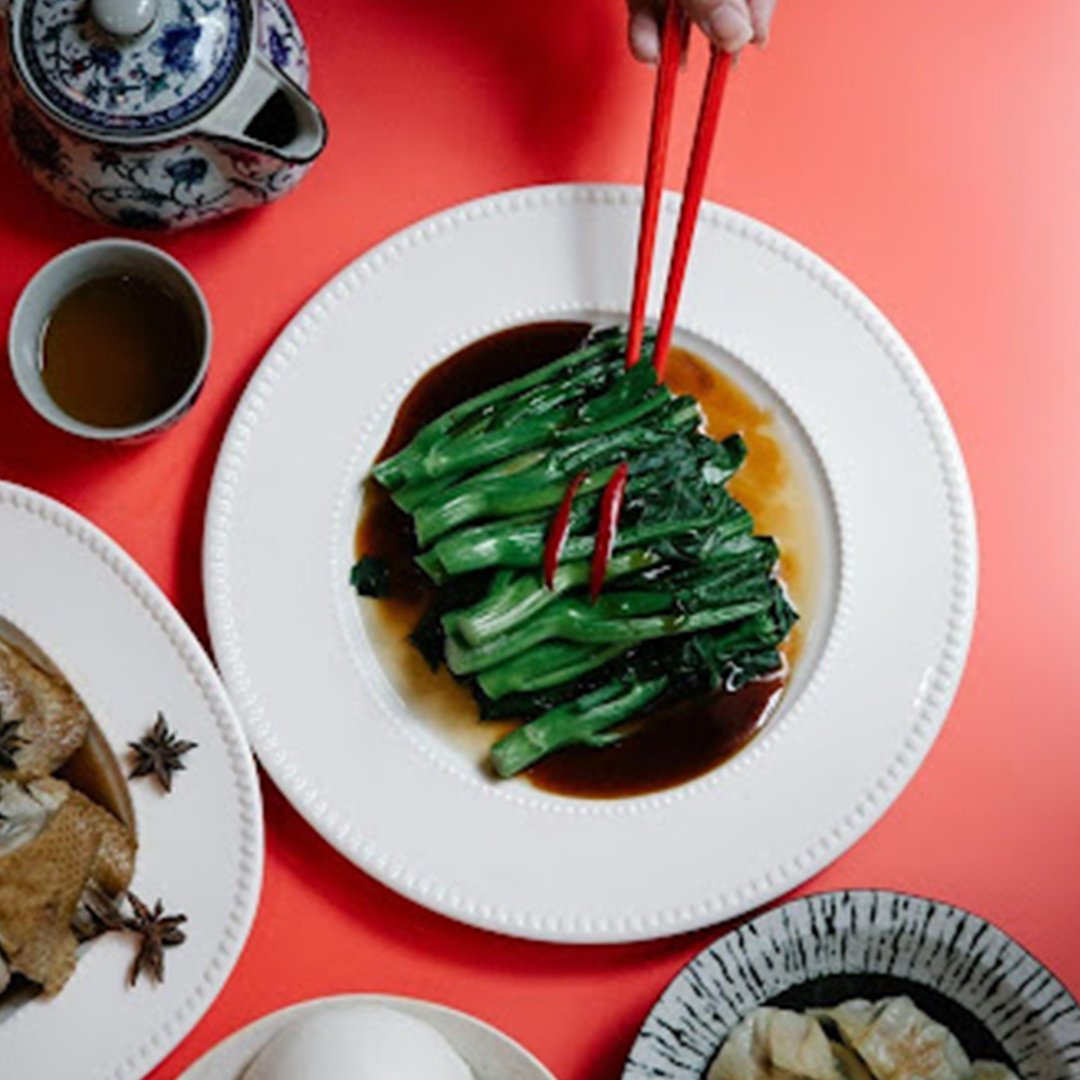
Foods that nourish the Spleen include:
– Root vegetables like sweet potatoes, carrots, and pumpkins
– Whole grains such as quinoa, barley, and oats
– Warm spices like ginger and cinnamon, which help improve circulation and digestion
– Lean proteins like grass-fed meats, wild-caught fish, and organic poultry
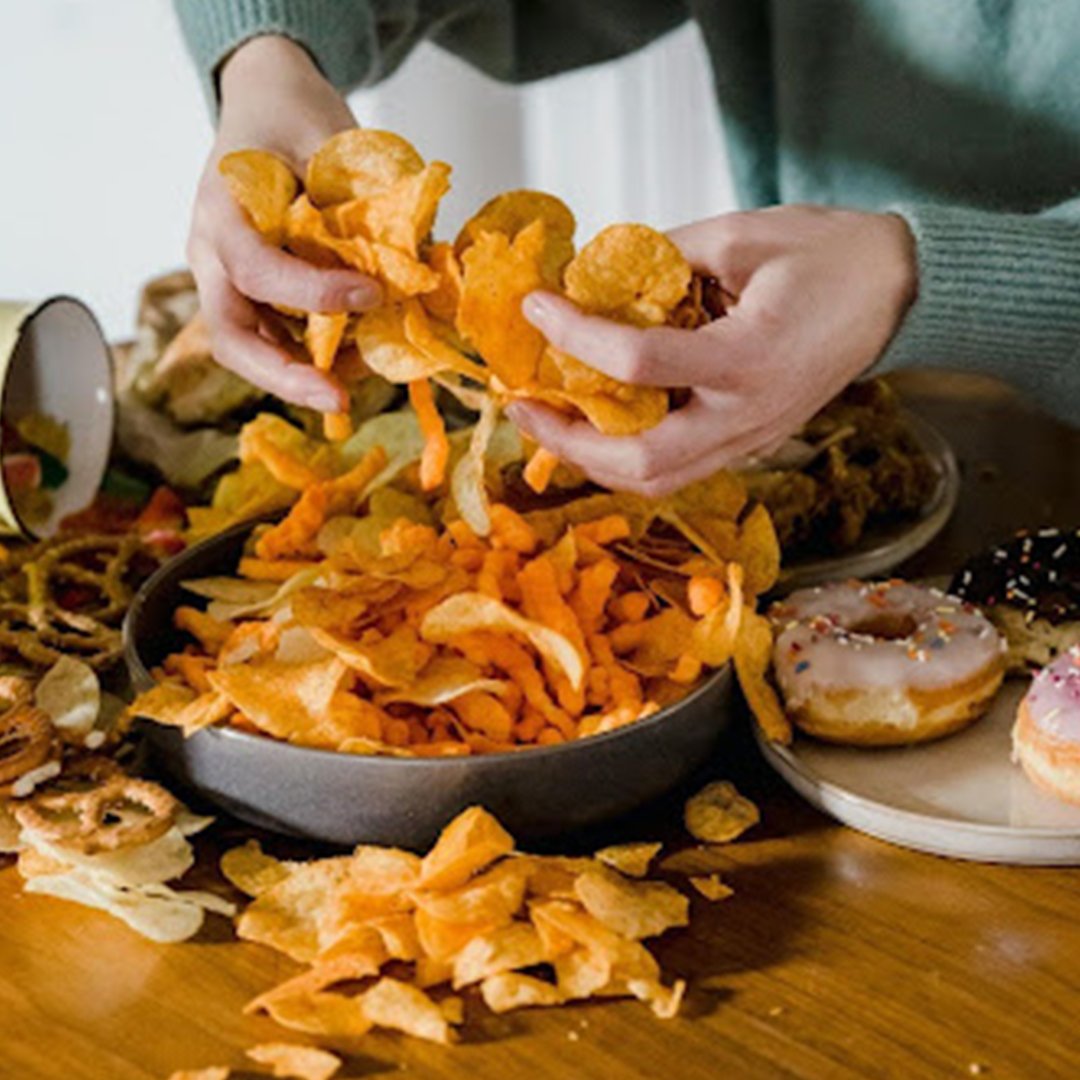
However, not all bread is created equal.Sourdough bread is a great alternative to refined flour bread. Unlike conventional bread, sourdough is made through a fermentation process that helps break down some of the sugars and gluten, making it easier for the body to digest and absorb. Natural fermentation also increases the availability of certain minerals, such as magnesium and zinc, which are essential for reproductive health. Plus, the probiotics present in sourdough may help support gut health, which plays a key role in overall hormone regulation.
For optimal fertility, it’s best to choose whole grains like quinoa, brown rice, oats, and barley. These are packed with fiber, vitamins, and minerals, which help support blood sugar regulation and promote hormone balance, giving your body the nutrients it needs to prepare for pregnancy.
Added sugars
Added sugars can lead to hormonal imbalances and insulin resistance, both of which can affect fertility. It’s best to limit or avoid refined sugars and artificial sweeteners, and opt for natural alternatives like honey or maple syrup in moderation.
The Fertility-Optimizing 80/20 Rule
To make this diet sustainable, aim for an 80/20 approach. That means following these principles about 80% of the time and allowing for a little flexibility the rest of the time. Life happens, and occasionally indulging or making less-than-perfect food choices is okay. The key is consistency over time—creating habits that nourish your body and optimize fertility.
Additional Nutrients to Support Fertility
In addition to macronutrients like proteins, fats, and carbohydrates, key micronutrients play a vital role in optimizing fertility and preparing your body for a healthy pregnancy. These nutrients act as the building blocks for reproductive health, supporting everything from hormone production to egg and sperm quality. While a well-balanced diet is the foundation, many patients may need to supplement strategically to ensure they’re meeting their body’s unique needs.
Critical Fertility Micronutrients Include:
Folate
Folate is vital for DNA synthesis and cell division, which are crucial processes for healthy egg and sperm production. It’s found in dark leafy greens, beans, and fortified grains.
Choline
Choline supports healthy fetal brain development and is essential for optimal egg health. Good sources of choline include eggs, liver, and cruciferous vegetables like broccoli and Brussels sprouts.
Omega-3 Fatty Acids
Omega-3s, found in fatty fish like salmon and plant-based sources like flaxseeds and walnuts, are crucial for reducing inflammation and supporting hormone production.
Getting Started On Your Fertility Journey
By following a Zero Trimester diet and mindful lifestyle, you’re laying the groundwork for a healthy pregnancy when the time is right. Small, consistent changes during this phase can have a big impact on your fertility, hormone balance, and overall well-being. Whether you’re actively trying to conceive or preparing for the future, these simple yet powerful steps can help you feel vibrant and support a healthy, fulfilling life.
Your fertility journey is as unique as you are, and there’s no one-size-fits-all approach to optimizing your health for conception and pregnancy. If you’re ready to take the next step, I’m here to guide you. Together, we’ll identify your individual needs, overcome challenges, and create a personalized plan to support your goals. Schedule a visit today, and let’s start building the foundation for your healthiest and most radiant pregnancy journey.