
reduce jaw pain
TMJ (temporomandibular joint) dysfunction can affect the ability to chew, speak, and move the jaw comfortably. It often shows up as jaw pain, stiffness, clicking, headaches, earaches, and tightness through the face, scalp, neck, and shoulders.
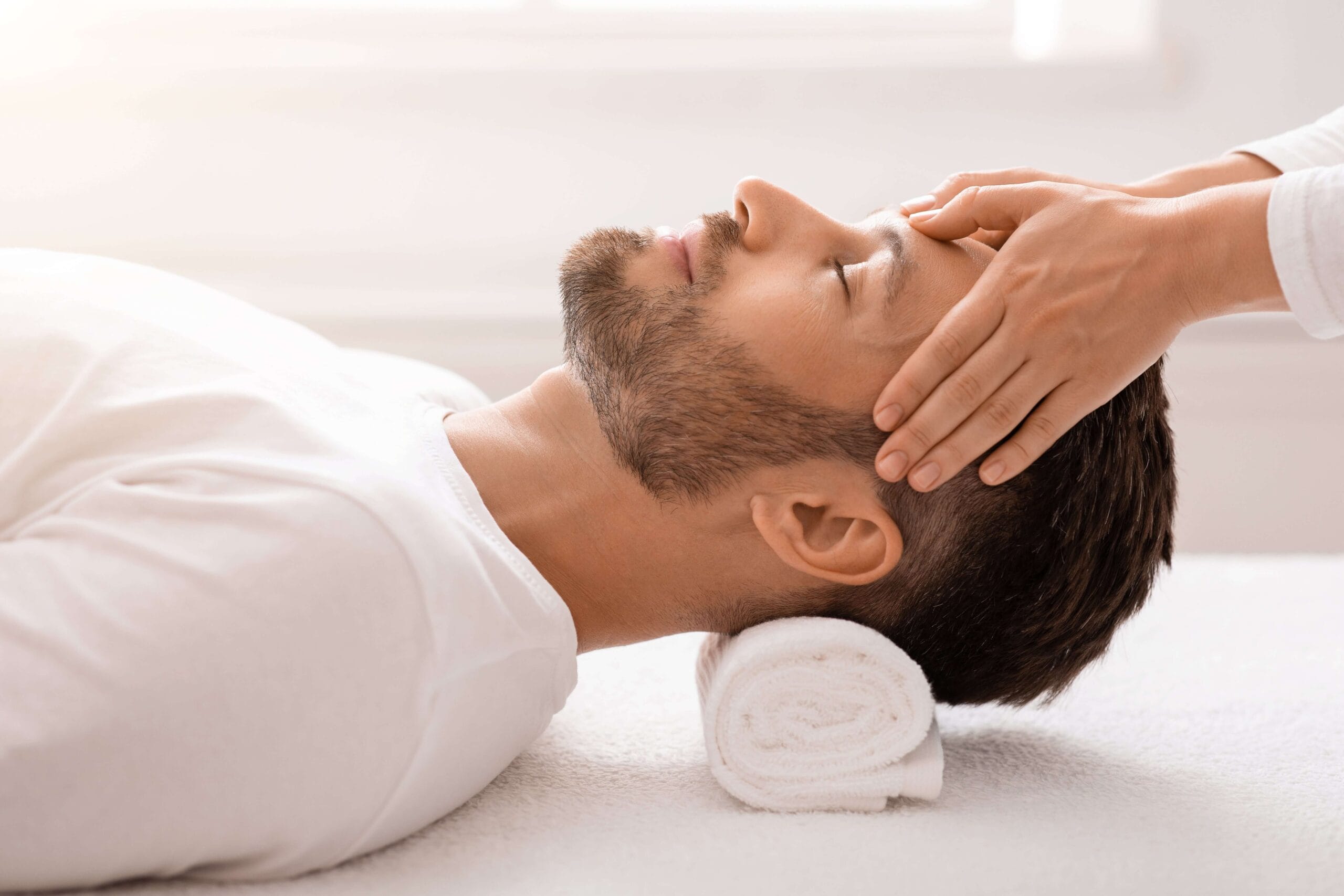
TMJ massage offers a direct, hands-on approach to reducing pain and restoring healthy jaw movement.
How Do I Know if I Have TMJ?
Causes
Many people experience TMJ dysfunction without realizing what’s causing their symptoms.

Nighttime grinding or clenching places continuous strain on the jaw.
Forward head posture and prolonged screen time can overload jaw and neck muscles.
Stress often leads to unconscious clenching, which fatigues the jaw muscles.
Tightness in the neck, jaw, or face can prevent the TMJ from moving smoothly.
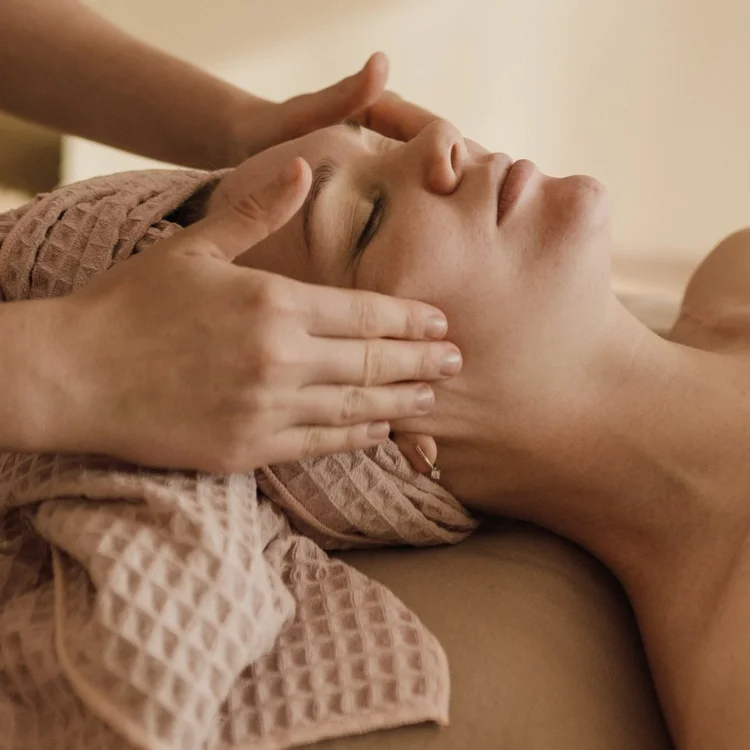
TMJ massage targets the muscles that influence jaw movement, both inside and outside the mouth. Because many of the most important jaw muscles sit deep within the cheek and along the inner jaw, specially trained RMTs use gentle intraoral techniques (with gloves) to access and release tight, overworked tissue.
This work helps:
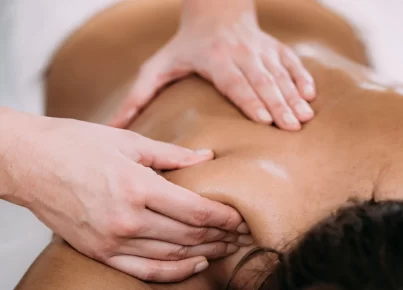
TMJ massage also includes external work on the cheeks, temples, scalp, neck, and upper back: areas that commonly contribute to TMJ dysfunction.
Find Relief From Jaw Pain
Take the next step toward greater comfort, mobility, and ease.
Learn More
Common Questions
TMJ massage is a specialized treatment that targets the muscles controlling the jaw, including intraoral techniques to release deep tension.
Most clients describe the treatment as relieving, with some mild tenderness during deeper stretches. Pressure is always adjusted to your comfort.
Your RMT uses a gloved hand to gently release muscles inside the cheek and along the jaw. This allows access to areas that can’t be treated externally.
Many people feel relief after 1–3 sessions, with long-term results improving through consistent treatment and home care.
Yes, when performed by an RMT with intraoral training. Your practitioner will review your history and adapt the treatment accordingly.
Our Team