Where Gut and Brain Meet
Your gut does more than digest food; it communicates with your brain, regulates hormones, and influences energy, mood, and immunity. When this connection is disrupted, symptoms like bloating, reflux, nausea, or fatigue are often just the surface.
The gut and brain are constantly in conversation. When stress, diet, or inflammation interrupt that dialogue, digestion can slow, speed up, or become painful. You might experience bloating after meals, sensitivity to certain foods, or “butterflies” that never seem to settle.
Through advanced assessment, mindful treatment, and nervous system regulation, we address both the physical and emotional roots of digestive symptoms. Healing your gut isn’t just about easing discomfort, it’s about creating the conditions for your entire body to thrive.
Constipation, diarrhea, or both
Fullness, distension, and discomfort after meals
Heartburn, regurgitation, and throat irritation
Upper digestive distress and poor motility
Sluggish digestion, fatigue, nutrient deficiencies
Digestive health is deeply connected to your microbiome, hormones, and stress response. Our Naturopathic Doctors begin by identifying the underlying causes such as bacterial overgrowth, low stomach acid, or food sensitivities, using advanced functional testing.
Treatment may include herbal antimicrobials, digestive enzymes, probiotics, and nutritional support to restore balance and repair the intestinal lining.
This comprehensive approach helps reduce inflammation, ease discomfort, and improve long-term digestive resilience.

Naturopathic Doctor

Naturopathic Doctor, Aesthetics

Naturopathic Doctor
In Traditional Chinese Medicine, the gut is seen as the body’s energy hub responsible for transforming nourishment into vitality. When this system becomes stagnant or weakened, symptoms like bloating, reflux, or poor appetite may arise.
Acupuncture supports healthy digestion by regulating the “Spleen and Stomach Qi,” calming stress, and improving circulation to the digestive organs.
Chinese herbal medicine may also be used to rebalance gut function and strengthen your body’s ability to absorb and assimilate nutrients.


Acupuncture & TCM, Aesthetics

Acupuncture & TCM

Acupuncture & TCM

Acupuncture & TCM, Aesthetics
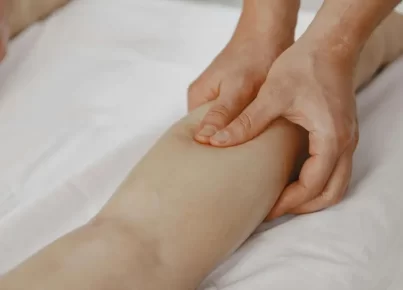
Gentle abdominal massage helps stimulate peristalsis (the natural movement of the intestines) while reducing bloating and discomfort.
This technique improves circulation, releases tension in the abdominal muscles, and supports healthy elimination.
For those experiencing gas, constipation, or postural tension affecting digestion, manual therapy offers a relaxing and effective complement to naturopathic or TCM care.


Massage Therapy
Because the gut is so closely linked to the nervous system, stress and emotional tension can have a profound effect on digestion.
Somatic therapy, breathwork, and mindfulness-based care help regulate the “rest and digest” response, allowing the digestive system to function naturally again.
This approach bridges body and mind, helping to calm both physical and emotional symptoms of gut imbalance.

Naturopathic Doctor
Common Questions
Common causes include food sensitivities, bacterial imbalance (SIBO), poor motility, or chronic stress affecting the gut-brain axis. Identifying the underlying issue is key to long-term relief.
Absolutely. The gut and brain are directly connected via the vagus nerve. Chronic stress can slow digestion, alter gut bacteria, and increase inflammation, leading to symptoms like bloating or nausea.
While nutrition plays a major role, lasting improvement often requires addressing microbiome health, hormone balance, and nervous system regulation together.
Yes. Acupuncture and abdominal massage both support digestive motility and calm the nervous system, easing pain and fullness while restoring the body’s natural digestive rhythm.
Some people notice relief within a few treatments, while others see gradual improvement over a few months. Consistency and an individualized approach create the best outcomes.
our blog posts