
pain reduction
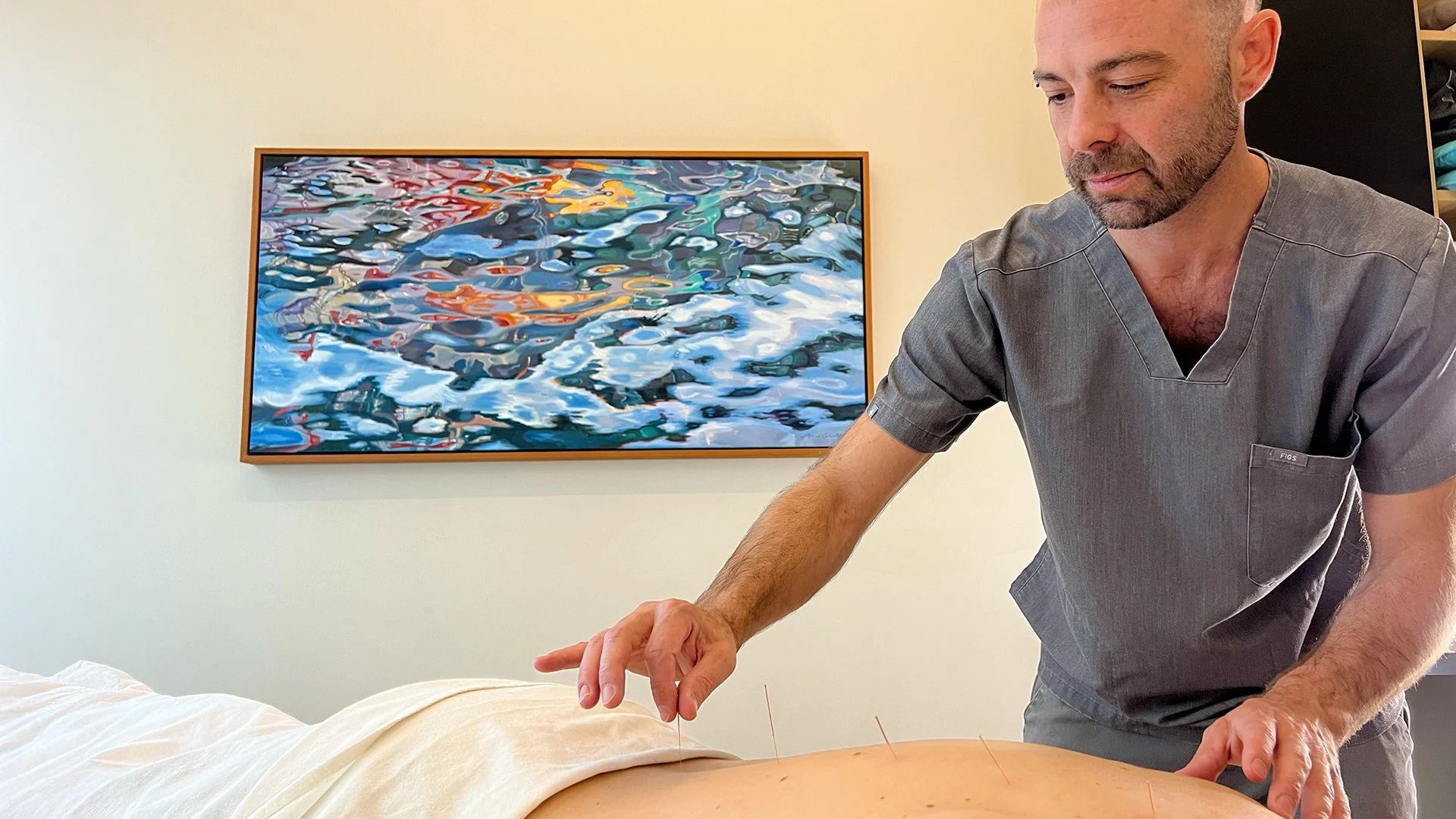
Dry needling is a term used to describe the application of sterile needles into various “trigger points.” A trigger point is an irritable area of a muscle, often associated with patterns of pain referral and local point tenderness.
The overall effect is a deactivation of this trigger point, thereby reducing pain and restoring the normal length and function of the involved muscle. Dry needling is an effective treatment for acute and chronic pain, rehabilitation from injury, and even for pain and injury prevention. This is the optimal technique for finding and eliminating neuromuscular dysfunction that leads to pain and various functional deficits.

Dry needling is commonly used to treat conditions characterized by muscle pain, tightness, and restricted movement. It is especially effective for myofascial trigger points, which are sensitive knots within muscles that can cause referred pain and limit range of motion.
Conditions like:
By targeting these tight areas, dry needling can help reset dysfunctional muscle patterns, improve circulation, and promote faster healing for both acute injuries and chronic musculoskeletal issues.
Acupuncture is rooted in Traditional Chinese Medicine and focuses on restoring balance in the body’s energy (Qi) by using specific points along meridians. Dry needling, on the other hand, targets trigger points in muscles to relieve tension and improve mobility. While acupuncture may treat areas distant from the pain, dry needling works directly in the affected muscles.
Dry needling is not a separate therapy but is actually derived from acupuncture, which has always included methods for targeting myofascial trigger points. Dry needling techniques are often included within an acupuncture treatment to release tight muscles, reduce pain, and improve mobility.
Dry needling’s precise muscle needling can be combined with sports acupuncture, electroacupuncture, cupping, and Gua Sha to treat both the immediate pain and the deeper patterns that contribute to it. This way, clients benefit from the quick relief that dry needling can provide while also supporting longer-lasting recovery and overall musculoskeletal health.
Book Now
Experience the benefits of dry needling for yourself. Book your appointment today and start your journey to pain-free living. Schedule your appointment online or call us at (604)-742-8383.
Our Team

Physiotherapist

Acupuncture & TCM
Common Questions
Some patients feel mild discomfort or a twitch sensation during needle insertion, but it’s generally well tolerated. Any discomfort usually passes quickly and is followed by a feeling of relief.
Yes! Dry needling can reduce muscle pain, improve range of motion, and speed up recovery from injuries. Results vary depending on the condition and individual response.
You bet! Dry needling targets tight fascia and connective tissue to break up adhesions and improve tissue mobility, which can relieve pain and improve function.
Dry needling is also effective for the management of muscle and neuropathic pain. This includes, but is not limited to:
Learn More