
Feeling Low During Vancouver Winters? Understanding Winter Blues, SAD, and How Counselling Helps
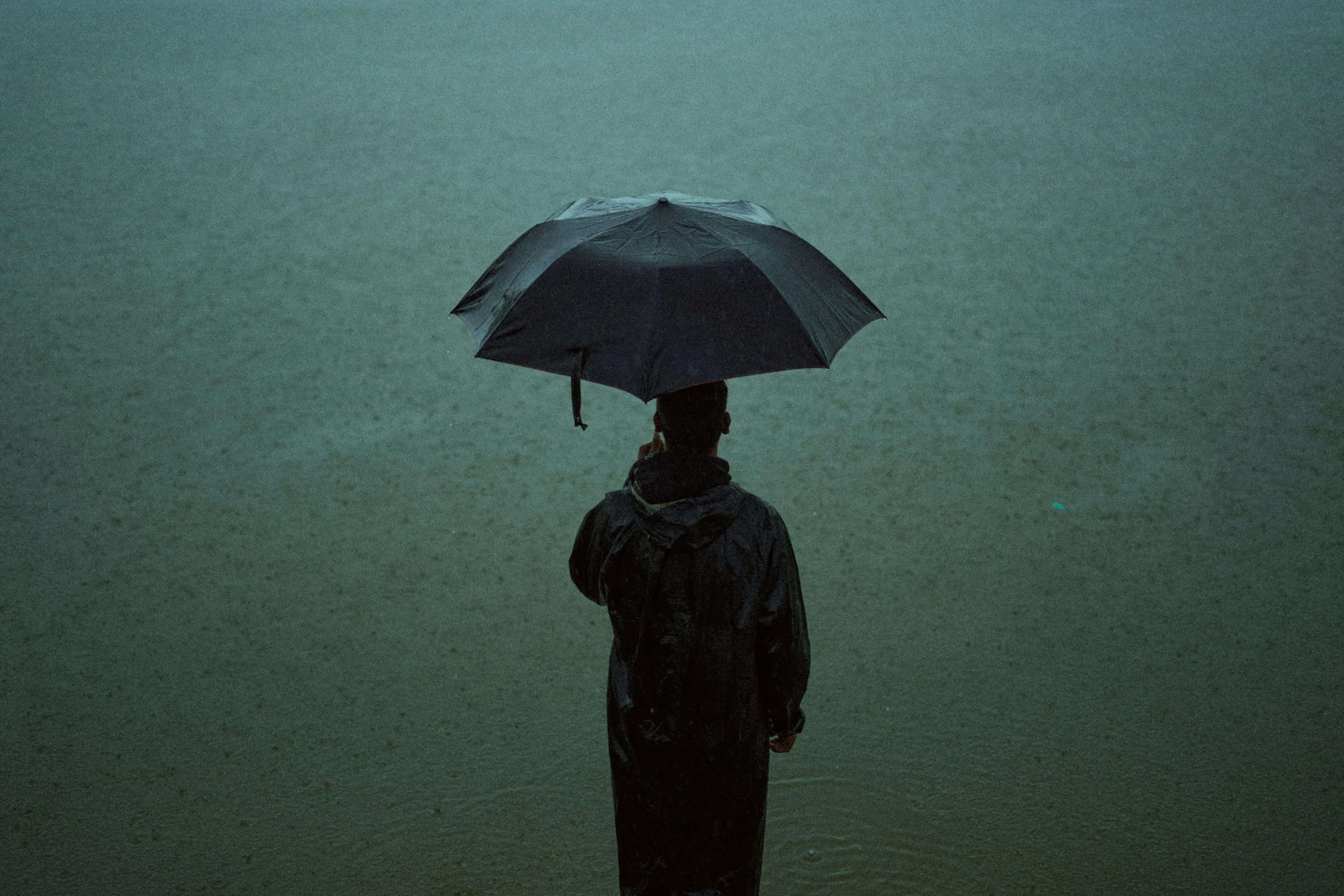
If winter in Vancouver leaves you feeling a little flatter than usual, you’re not alone. The dark mornings, early sunsets, and long stretches of grey can wear on your energy, motivation, and mood. You might notice yourself feeling more tired, less engaged, or emotionally heavier than you did in other seasons.
These shifts in mood are a very human response to changes in light, routine, and nervous system load. When you understand what’s happening beneath the surface, it becomes easier to respond with self-compassion and explore practical ways, like counselling, to support yourself through the winter months.
Why do I feel down when it’s dark all the time in winter?
When the sun sets early and rises late, daylight feels scarce, and many people notice a quiet shift in their mood and energy. The constant darkness can make evenings feel heavier, and motivation in the morning feel harder to access. Feeling emotionally low in winter is a common experience for many individuals living in Vancouver, and in counselling I often hear people say:
“Why do I feel sad for no reason in the winter?”
Many people describe this as feeling sad “for no reason,” but there is a reason: prolonged darkness can affect the nervous system, including how emotions are regulated, with experiences ranging from temporary, milder “winter blues,” to seasonal affective disorder (SAD).
What are winter blues?
Winter blues refer to the low mood, low energy, and lack of motivation people may feel during the darker months. Many individuals experience winter blues as a response to shorter days and less sunlight, especially during Vancouver’s long, grey winters. Others may experience winter blues during the stress of the holidays, or as a slump after festive activities have ended.
Winter blues is a general term used to describe a mild, temporary dip in mood and energy; however, it is not a medical diagnosis. Usually, winter blues last a short period of time and clears up on its own.
On the other hand, some individuals may experience longer-lasting and more severe mood changes during the winter season…
What is seasonal affective disorder (SAD)?
Seasonal affective disorder (SAD) is a type of depression that occurs at certain times of the year, most commonly during the fall and winter months, especially around December, January, and February, when sunlight decreases and days become shorter and darker.
According to the Diagnostic and Statistical Manual of Mental Disorders (DSM-5-TR), SAD is classified as a major depressive disorder with a seasonal pattern. A key feature of SAD is its predictable timing: symptoms appear around the same time each year, usually in fall or winter, and disappear for several months, typically during spring and summer.
Symptoms of SAD may include:
Persistent low mood and irritability: feeling sad, tearful, or easily frustrated
Low energy and fatigue: feeling tired, lethargic, or lacking motivation
Changes in sleep and appetite: sleeping more than usual, craving carbs or sugar, or gaining weight
Reduced social and daily activity: withdrawing from social situations, struggling to concentrate, or doing less than usual
What causes SAD?
Lack of Sunlight
SAD is closely linked to changes in daylight hours, with shorter days being a core trigger. You might wonder, why is sunlight so important for our mental wellbeing? We’re not plants, after all.
Research suggests that people with SAD have more difficulty regulating serotonin, a brain chemical involved in mood, sleep, and energy. Normally, sunlight supports healthy serotonin levels and emotional stability. During fall and winter, reduced sunlight lowers serotonin activity. Some studies also suggest that people with SAD produce higher levels of a protein that removes serotonin from circulation, further reducing its effects. This may help explain why people with SAD may often crave carbohydrate-rich foods in winter, as carbohydrates can temporarily boost serotonin and improve mood.
At the same time, melatonin, the hormone that regulates sleep, tends to be overproduced in people with SAD. Melatonin is released in response to darkness, so as days grow shorter, increased melatonin can lead to feeling more lethargic or sleepy.
Together, changes in serotonin and melatonin disrupt circadian rhythms, the body’s internal 24-hour clock that regulates sleep and wakefulness. For people with SAD, this system can fall out of sync during winter, making it harder to adjust to reduced daylight.
In Vancouver, December and January bring only about 8 to 8.5 hours of daylight on average. Combined with overcast weather and long workdays, many people may barely see daylight at all. It’s not surprising that about 15% of Canadians experience winter blues, while an estimated 2 to 6% experience SAD.
In short: reduced sunlight affects mood-related brain chemicals, sleep hormones, and circadian rhythms.
So, what is supportive for winter blues and SAD?
Light Therapy
While we can’t change Vancouver’s rainy, dark, and overcast winters, we can find ways to incorporate more light into our days. As mentioned earlier, SAD is closely linked to reduced daylight. Studies show that sitting in front of a 10,000-lux light therapy box for at least 30 minutes each morning, ideally soon after waking up, can significantly improve SAD symptoms, with few to no side effects.
Similarly, an early morning walk can offer comparable benefits. Even on cloudy or grey days, outdoor light exposure after sunrise can reach around 10,000 lux of light, similar to a light box. On brighter winter days, a short stroll along Kitsilano Beach can help you soak up natural light and briefly step out of the grey.
Can therapy be helpful for seasonal sadness?
Yes, counselling can help people with SAD by offering support, increasing understanding of what’s happening, and exploring ways to make supportive habit changes. In my practice, I often incorporate elements of cognitive behavioural therapy (CBT), such as behavioural activation. This approach involves intentionally scheduling pleasant or meaningful activities back into one’s routine.
During winter, dark and cold evenings often lead people to socialize less, increasing isolation and worsening symptoms of SAD or the winter blues. Through behavioural activation, we may explore gentle ways to stay connected, even if that simply means calling a friend or planning a short walk during daylight hours.
Alongside this, I draw on emotion-focused work to help name and validate feelings that often surface in winter, such as sadness, loneliness, or hopelessness, and to respond to them with curiosity and compassion. Building self-compassion and adjusting expectations is also an important part of the work, including allowing yourself to move more slowly, and redefine productivity during the winter months.
Support for Winter Blues and Seasonal Affective Disorder (SAD) in Vancouver
With only about eight hours of daylight during Vancouver’s winters, it’s understandable that many people may experience winter blues or SAD. Light therapy, outdoor walks, and counselling can help boost mood and energy. Counselling can also provide support, increase understanding, and explore positive routine changes.
If you’re curious about counselling support for SAD or the winter blues, you’re welcome to book a free consultation and explore whether counselling might be a supportive fit for you.
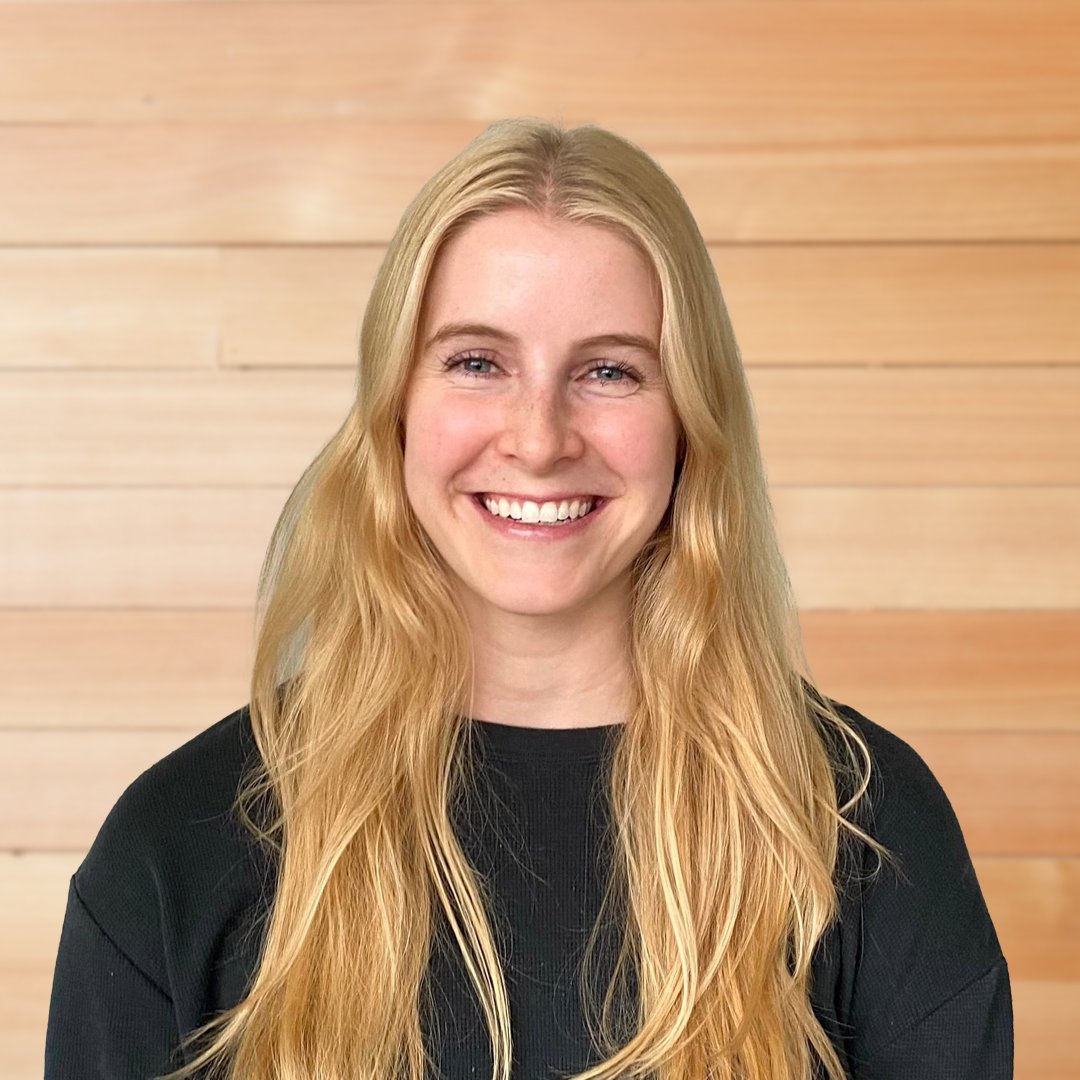
Meet Cheyenne Ling
Cheyenne, RCC, creates a compassionate space where clients can explore stress, anxiety, trauma, and self-esteem challenges without judgment. Her trauma-informed, person-centred approach weaves together CBT, emotion-focused therapy, and Internal Family Systems to help clients understand the deeper messages behind their emotions and restore clarity.
